Part1: I arrived home late that Tuesday. When I stepped into the doorway, I froze when I saw my son sitting on the sofa and his body covered in bruises.
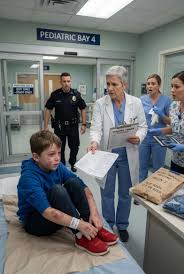
After a long day at work, a mother returned home and was shocked to find her seven-year-old son, Mason, covered in bruises and sitting silently on the couch. Terrified, she noticed that he seemed afraid to speak inside the house. When he whispered, “I can’t tell you here,” she immediately took him to the hospital.
Doctors documented his injuries and gently asked what had happened. Mason finally revealed that someone he trusted had hurt him. He handed over a crumpled note with a name written in blue crayon—the name of a person who had access to their home.
The hospital staff contacted the police, who began an investigation. Medical records, photographs, the note, and Mason’s testimony became crucial evidence. The mother learned that protecting her son meant more than comforting him—it meant believing him, documenting the truth, and taking action.
As the case moved forward, the family changed their locks, worked with counselors, and rebuilt a sense of safety. Slowly, Mason began to heal. He learned that speaking up was not wrong, and his mother proved that she would always listen and protect him.
Moral: Even the smallest cry for help—a whisper, a note, or a sign of fear—deserves to be taken seriously. Believing and protecting vulnerable people can change their lives.