What It Really Means When Someone Helps the Server Clear the Table, According to Psychologists

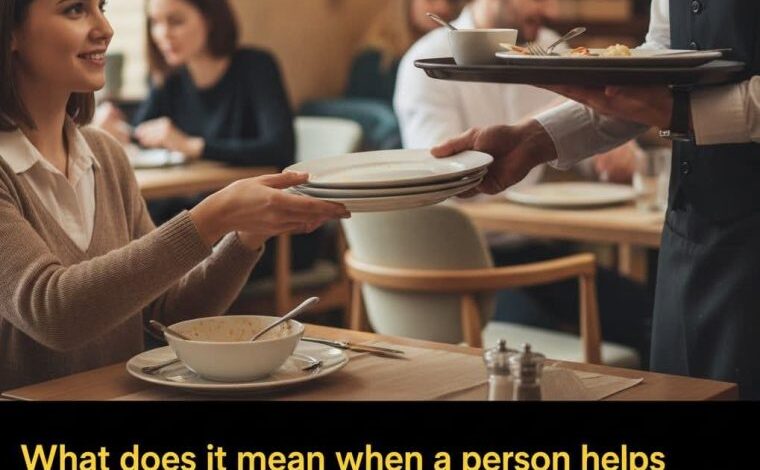
Have you ever noticed how some people naturally reach out to hand their empty plates to the waiter when dining out? Maybe you do it yourself — a small gesture that seems polite and thoughtful. But according to psychologists, this simple act can actually reveal a lot about your personality, emotional intelligence, and even how you relate to others.
Let’s explore what’s really behind this subtle but meaningful behavior.
1. It’s a Sign of Empathy and Consideration
When someone helps a server clear the table, it often comes from a place of empathy. These individuals are attuned to the effort others put into their work. They see the server not as “just doing their job,” but as a fellow human being deserving of respect.
Psychologists call this prosocial behavior — actions intended to benefit others. It’s rooted in emotional intelligence and the ability to step outside oneself and consider another person’s comfort or workload.
In short, if you’re the type to pass your plate or stack dishes neatly, you probably have a high level of empathy and awareness of others’ needs.
2. It Reflects Upbringing and Cultural Values
How a person behaves in public often mirrors how they were raised. Some families teach from an early age to “help where you can” and “make things easier for others.” In many cultures — including Mediterranean, Asian, and Latin traditions — showing helpfulness and humility is deeply ingrained in social etiquette.
Helping the server, even in a small way, is seen as good manners — a quiet demonstration of gratitude and respect for service staff. It’s an act of human decency that transcends class, age, and background.
3. It Can Signal Humility and Groundedness
There’s something humble about someone who doesn’t see themselves as “above” helping. Psychologists often associate such gestures with low ego and high social cooperation.
People who offer a hand, even when they’re paying for a service, show that they value fairness and equality. They don’t assume that financial exchange erases human courtesy. Instead, they believe kindness is a two-way street — whether you’re the diner or the one serving the meal.
4. It’s Linked to Mindfulness and Presence
In today’s fast-paced world, many people rush through meals without paying attention to their surroundings. But someone who instinctively helps the server is usually present in the moment.
They notice the small things — like a crowded table, a tired waiter, or the flow of service. This type of situational awareness is a core trait of mindful individuals who stay connected to their environment rather than living on autopilot.
5. It Indicates Cooperative and Team-Oriented Personality
elping clear the table reflects a collaborative mindset. It’s the same trait seen in people who jump in to help colleagues finish a task, or who tidy up after a shared event.
Psychologists link these actions to strong social cohesion instincts — the natural drive to work together and maintain harmony within a group. Such people often thrive in teamwork settings and build strong social bonds, both at work and in personal life.
6. But There’s a Boundary: When It’s About Control
Interestingly, not all helping behavior is purely altruistic. In some cases, a person who insists on helping the server may unconsciously seek control over the environment — especially if they’re anxious or uncomfortable letting others do things for them.
Psychologists note that for some, helping can be a coping mechanism — a way to manage social discomfort or perfectionism. The difference lies in intention: whether it’s done from genuine care, or from a need to control the situation.
7. The Deeper Message Behind the Gesture
At its heart, offering to help the server is a symbol of mutual respect. It communicates:
- “I see your effort.”
- “I appreciate your service.”
- “We’re equals, even in different roles.”
Such small, thoughtful actions are what make social interactions more humane. They remind us that even in transactional moments — like dining at a restaurant — kindness and respect still matter.
Final Thoughts
So, what does it mean when you (or someone else) help clear the plates at a restaurant? It’s more than a reflex — it’s a glimpse into the person’s character.
It can signal empathy, humility, mindfulness, and respect for others. It shows emotional maturity and a genuine desire to make small moments easier for the people around them.